
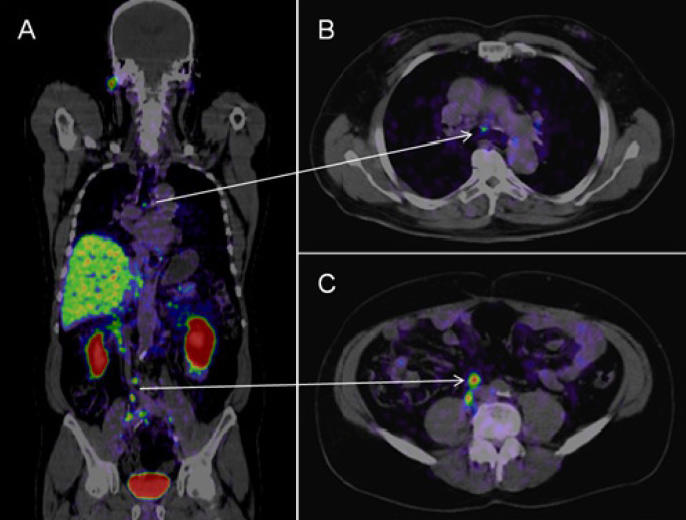
For decades, diagnosing and staging prostate cancer relied on a combination of CT scans, bone scans, and MRI. That picture is changing dramatically. PSMA PET imaging — which uses a radioactive tracer to target prostate-specific membrane antigen, a protein found at very high levels on prostate cancer cells — has emerged as one of the most significant advances in urology in recent memory.
A landmark Phase III randomized trial presented at the 2026 European Association of Urology (EAU) Annual Meeting, known as PRIMARY2, offered compelling new evidence for how this technology could spare patients from unnecessary procedures. In the study of 660 men with ambiguous or mildly suspicious MRI findings, those who underwent PSMA PET/CT imaging were able to avoid biopsy nearly half the time — 49% of patients in the PSMA arm had their biopsy safely avoided — while still catching the same proportion of serious cancers as those who went straight to biopsy. Perhaps equally importantly, the PSMA arm saw a significant reduction in the diagnosis of clinically insignificant cancers: 14% versus 32% in the standard care arm. In other words, the technology helped doctors find the cancers that truly needed treatment while avoiding overdiagnosis of ones that likely never would.
Researchers are also exploring how PSMA PET works alongside MRI. A major review published in March 2026 highlighted that the two imaging technologies offer complementary strengths: MRI excels at characterizing tumors within the prostate itself, while PSMA PET is significantly more sensitive for detecting metastatic spread throughout the body, including small lesions that CT or bone scans would miss entirely.
For patients, what this means is a more accurate picture of their disease at the time of diagnosis — potentially avoiding unnecessary surgery or radiation when cancer hasn’t spread, or ensuring that treatment plans account for metastases that older imaging would have missed. Researchers continue to investigate its role in guiding biopsies, monitoring treatment response, and even directing targeted therapy, making PSMA PET one of the most versatile tools now entering mainstream prostate cancer care.
These articles are intended for general informational purposes. Please consult a qualified healthcare provider for advice specific to your medical situation.