Prostate Cancer Centre’s Man Van Program
The Man Van® is a mobile Prostate Specific Antigen (PSA) blood testing facility. There are two vans, one used primarily […]
MONTHLY MEETING: Wednesday, Oct 21st at CKE Community Center. Haylee Robertson on Car-T Cell Failures. More info here.

A Prostate Cancer Support Group
The Man Van® is a mobile Prostate Specific Antigen (PSA) blood testing facility. There are two vans, one used primarily […]
If you have any questions, please feel free to reach out to our research team at the Exercise Oncology Lab […]
This true story is being shared at the request of the deceased. Tom Lucas retired as a captain with the […]
Our Story: G. was very athletic, jogging, cycling 7000K a year, ate all the right foods, stayed out of the […]
Submitted by Dave Lunn My last visit to the hospital was in the 2021 in the midst of the pandemic. […]
Prostate Specific Antigen (PSA) Testing What It Is, Why You Should Start Getting Tested, and When to Begin. Prostate-specific antigen […]
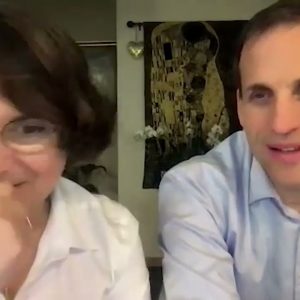
Drs. Gabriela Ilie and Rob Rutledge from Dalhousie University out of Halifax join us to discuss their exciting research initiative that looks to help prostate cancer survivors empower themselves to take better care of themselves and benefit from their shared experiences. Learn more at their website http://pcpep.org
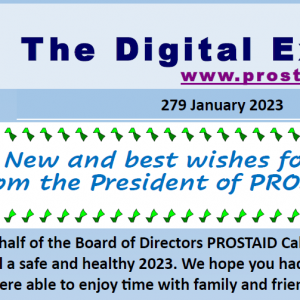
Includes: President’s Message, Contribute your Genetic Profile to Help Prostate Cancer Research, Ivermectin for Cancer Treatment, Improving Sexual Health of Couples, and more!

Includes: Return to Face-to-Face meetings at Grey Eagle, Entering a New Era of Robotic Surgery, Understanding the Mechanisms of Exercise as Medicine to Increase Prostate Cancer Survival, and more!

Includes: Guest Speaker Bob Molle bio, Remembering Stewart Campbell, AGM Door Prize, Relationship between PSA and Testosterone levels in Men, Impact of Next Generation Imaging, Patients with metastatic prostate cancer living significantly longer, Canadian Cancer Survivor Network survey, and more!